Improve Your Carp Fishing Success Through These High-Performance Carp Rods
Carp fishing requires precision and the right equipment. High-performance rods can greatly enhance an angler's experience. Comprehending the distinguishing features of these rods is essential. Every aspect matters, from material selection to rod length and action. These factors and their impact on fishing success must be considered by anglers. What considerations are most important when picking the right rod? This knowledge might transform your fishing approach.
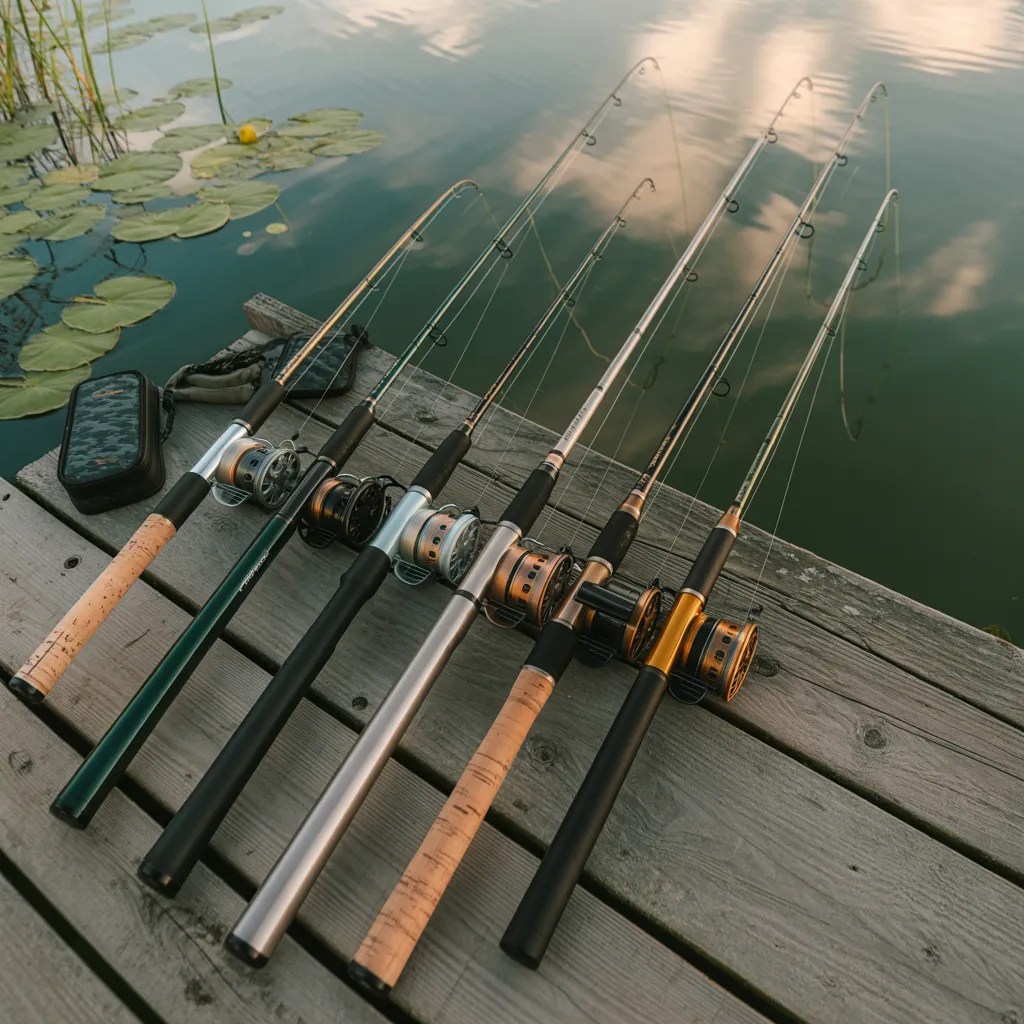
Learning About Carp Rod Basics
Carp fishing rods are essential tools for anglers aiming to land these elusive fish. Designed specifically for the unique challenges of carp fishing, these rods typically extend from 10 to 13 feet in length, delivering the necessary reach for casting in different water conditions. Their construction often incorporates materials like carbon fiber or fiberglass, which provide a balance of strength and sensitivity.
The carp rod action plays a crucial role; it can be grouped as fast, medium, or slow, influencing how the rod functions under load. A medium action rod, for instance, is excellent for absorbing the forceful runs of a carp, while a fast action rod allows for quicker hook sets. Anglers need to also consider the rod's test curve, which shows the weight it can handle, impacting casting distance and control. Comprehending these basics enables anglers to select the right equipment for a successful carp fishing experience.
Important Attributes of High-Performance Carp Rods for Maximum Effectiveness
High-performance carp rods are characterized by a combination of critical features that boost their effectiveness. Primary elements include the type of rod action, the resilience of materials used, and the ideal length for casting distance. When unified, these elements substantially influence a fisherman's ability to achieve excellent results on the water.
Rod Action Categories
Understanding rod action types is essential for any angler seeking to elevate their carp fishing experience. Rod action indicates how a rod flexes when under load, impacting casting distance, sensitivity, and control. There are three primary action types: fast, medium, and slow. Fast action rods bend primarily at the tip, providing increased sensitivity and quick hook sets, ideal for aggressive bites. Medium action rods provide a balance, bending through the upper half, which helps with casting and fighting fish. Slow action rods flex throughout their length, providing more forgiveness and better line control, beneficial for delicate bites. Selecting the right rod action type allows anglers to customize their techniques to specific fishing conditions, increasing their chances of success.
Factors in Material Strength
In selecting carp rods, anglers must evaluate the material strength, as it plays a crucial role in overall performance. Premium carp rods are commonly made from materials such as carbon fiber or high-modulus graphite, which deliver excellent tensile strength while retaining a lightweight profile. These materials boost sensitivity, allowing anglers to detect slight bites and improve their casting accuracy. Furthermore, rods with additional information reinforced construction can withstand the aggressive fights of larger carp, reducing the risk of breakage. The choice of material also impacts the rod's flexibility and recovery speed, which are critical for achieving optimal casting and hook-setting actions. Ultimately, opting for rods with the right material strength can significantly increase an angler's success on the water.
Length & Distance When Casting
Length plays an essential role in the effectiveness of carp fishing rods, directly determining casting distance and accuracy. Longer rods, typically ranging from 10 to 13 feet, offer the advantage of greater leverage, allowing anglers to cast baits at greater distances into the water. This increased distance is particularly beneficial in larger lakes or rivers where carp may be scattered across wider areas. Moreover, the length of the rod aids in improved line control and sensitivity, allowing anglers to detect subtle bites. In contrast, shorter rods shine in tight spaces, offering enhanced maneuverability and precision. Ultimately, the choice of rod length depends on individual fishing conditions and personal preferences, making it a vital element in selecting high-performance carp rods for ideal results.
Leading Carp Fishing Rod Brands to Check Out
While exploring the top carp fishing rod brands, one can find a range of options that cater to various angler preferences and budgets. Each brand offers specific features that enhance performance, making it important to compare these attributes. This guide will highlight top brands and their notable rod features to assist with informed decision-making.
Top Brands Overview
Choosing the right carp fishing rod can significantly enhance the fishing experience, and several top brands stand out for their quality and performance. Among them, Shimano is celebrated for its cutting-edge designs and durable materials, making it a favorite among dedicated anglers. Another leading name, Daiwa, is praised for its meticulous engineering and versatility, serving various fishing styles. Additionally, Fox International is recognized for its specialized carp rods, offering outstanding sensitivity and strength. When evaluating value, Wychwood provides superior options without sacrificing on performance. Finally, Nash Tackle combines modern technology with accessible designs, appealing to both beginners and experts alike. Each brand brings distinctive strengths, enabling anglers to select rods that best fit their fishing needs.
Rod Features Comparison
In evaluating carp fishing rods, grasping the specific features delivered by top brands can significantly impact an angler's decision. Leading brands such as Shimano and Daiwa emphasize sensitivity and strength, utilizing high-modulus carbon for improved responsiveness. Their rods often feature lightweight designs, allowing for prolonged use without fatigue. In contrast, brands like Fox International and Nash specialize in specialized actions designed for different fishing techniques, delivering versatility in various conditions. Furthermore, some brands incorporate state-of-the-art reel seats and ergonomic grips, enhancing comfort and control during long sessions. Anglers should also consider rod length and casting weight, as these elements affect performance. Eventually, the right features can enrich an angler's experience, boosting the chances of a successful catch.
Evaluating Rod Lengths for Carp Fishing: Important Facts
What role does rod length play in successful carp fishing? A carp fishing rod's length serves a vital function in establishing casting range, precision, and general fishing quality. Lengthier rods, commonly measuring 12 to 13 feet, allow anglers to achieve greater casting distances, thus making them excellent for reaching distant feeding areas. This proves especially advantageous in substantial lakes or rivers where carp may be distributed widely. Alternatively, rods on the shorter side, approximately 9 to 10 feet, provide superior maneuverability and exactness, which becomes valuable in tight spaces or when fishing from the bank.
In addition, rod length determines the ability to absorb sudden tugs from larger carp, improving the angler's control during the fight. When selecting a rod length, anglers should take into account their fishing environment and personal preferences, as each length serves distinct advantages customized to different fishing scenarios. Finally, choosing the appropriate rod length can considerably increase the chances of a successful catch.
Why Does Rod Action Matter in Carp Fishing?
Rod action plays a crucial role in the effectiveness of carp fishing, supplementing the considerations of rod length. It relates to how much and where a rod bends when pressure is applied. The action can be categorized as fast, medium, or slow. Fast action rods bend predominantly at the tip, delivering enhanced sensitivity and quicker hook sets, which is helpful for detecting subtle bites. In contrast, slow action rods flex more throughout the length, offering better casting distance and more forgiveness when fighting larger fish, decreasing the risk of breakage.
For those who fish for carp, choosing the right rod action is vital, as it can influence casting accuracy, responsiveness to bites, and the ability to control the fish during retrieval. By comprehending the nuances of rod action, anglers can adapt their equipment to match their particular fishing conditions and target techniques, ultimately enhancing their overall success in carp fishing.
Picking the Best Rod Material for Longevity
Picking the right rod material for durability is vital for any carp angler seeking extended lifespan and performance in their gear. The most commonly used materials for carp rods are fiberglass and carbon fiber. Fiberglass rods are known for their toughness and flexibility, making them suitable for handling strong catches. However, they tend to be heavier and less sensitive in comparison to their carbon fiber counterparts.
On the other hand, carbon fiber rods offer a superior strength-to-weight ratio, providing outstanding sensitivity and responsiveness. This material is perfect for detecting subtle bites, which is vital during carp fishing. When picking a rod, anglers should additionally consider the construction quality, as layered or reinforced designs can boost durability further.
In the end, choosing the right rod material depends on balancing durability, sensitivity, and weight to suit specific fishing conditions and personal preferences, providing a optimal fishing experience.
Setting Your Budget for Carp Rods
Planning financially for carp rods is an important step for anglers looking to optimize their investment in quality gear. The price range for carp rods can vary considerably, determined by factors such as material, brand, and features. Anglers should first establish their fishing goals and frequency, as these elements influence the necessary investment. For casual anglers, a budget of $50 to $150 may suffice for decent quality rods. However, those targeting larger carp or fishing in difficult conditions might consider spending $150 to $500 for premium options. It is also essential to consider additional expenses, such as reels and accessories, which enhance the overall experience. In the end, setting a budget should reflect both personal financial comfort and the desire for quality, making certain that anglers can fully enjoy their time on the water without compromising on essential gear. A thoughtfully prepared budget can lead to long-term satisfaction and improved fishing outcomes.
Essential Advice for Carp Fishing Rod Maintenance
Maintaining carp fishing rods properly is crucial for prolonging their life and guaranteeing optimal performance. Frequent cleaning is critical; anglers need to rinse their rods with fresh water after every session to clear away dirt, salt, and particles. This easy procedure prevents oxidation and wear.
Checking the rod for any evidence of wear or damage is crucial. Care must be taken to the guides, reel seat, and rod blank, as even small defects can impact functionality.
Furthermore, keeping rods correctly helps ensure their longevity. Employing protective sleeves or cases keeps them safe from damage and scratches. It is advisable to avoid extreme temperatures and humidity when storing rods, as these conditions can compromise the materials over time.
In conclusion, adding a thin coat of lubricant to moving parts, such as reel seats and guides, can improve performance and prevent rust. By implementing these suggestions, anglers can keep their carp fishing rods successfully.
How to Coordinate Your Carp Rod With Additional Fishing Equipment
In selecting the right carp rod, knowing how it pairs with other fishing gear is vital for a successful fishing experience. The rod's action and length should match the reel type, delivering smooth casting and retrieval. For example, combining a medium-action rod with a compatible spinning reel can elevate detection ability and responsiveness when sensing bites.
Furthermore, the decision of line is essential; a heavier line could be needed for larger carp, while a finer line can boost casting distance. Weights and rigs should also match the rod's specifications, facilitating peak performance and decreasing the risk of breakage.
Lastly, considering the bait used in tandem with the rod will make certain that the complete setup works in harmony. By carefully matching the carp rod with the reel, line, and other accessories, anglers can improve their fishing experience and maximize their chances of success on the water.
Popular Questions
What Time of Year Is Best for Carp Fishing?
The optimal time of year for carp fishing is commonly late spring through early autumn. During these months, elevated water temperatures and greater insect activity motivate carp to feed more actively, increasing fishing opportunities.
In What Ways Do Weather Conditions Influence Carp Fishing Outcomes?
Weather conditions substantially impact carp fishing success. Warmer temperatures encourage greater activity, while cloudy skies typically produce superior bites. Rain can improve feeding, but extreme weather may discourage carp, affecting anglers' overall catch rates.
Can You Use a Carp Rod for Different Kinds of Fishing?
Certainly, a carp rod can be used for different kinds of fishing. Its design enables versatility, making it appropriate for targeting multiple freshwater species, though specific rods may offer enhanced performance for individual fishing techniques.
How Do I Properly Transport My Carp Fishing Rod?
To correctly transport a carp fishing rod, carefully position it in a padded protective case to avoid damage. Make certain the rod is disassembled if possible, and ensure you don't expose it to severe temperatures or dampness during transport.
What're Frequent Mistakes Newcomers Make Using Carp Rods?
Typical errors novices commit with carp rods include utilizing wrong gear, neglecting proper rod maintenance, burdening rods with too much weight, neglecting to adapt casting approaches, and missing the critical nature of rod action and sensitivity.